Don’t worry, and don’t overthink it!
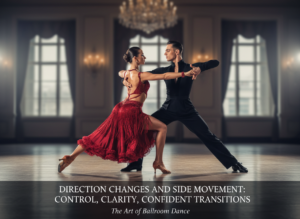
Starting ballroom dancing for the first time is an exciting step. Whether you’re an adult trying something new or a parent enrolling your child, it’s completely normal to wonder: What should I wear to my first ballroom dancing class?
The good news is that ballroom dancing is welcoming to beginners, and you don’t need a competition outfit or years of experience to get started. What matters most is wearing clothing and shoes that support movement, posture, and confidence.
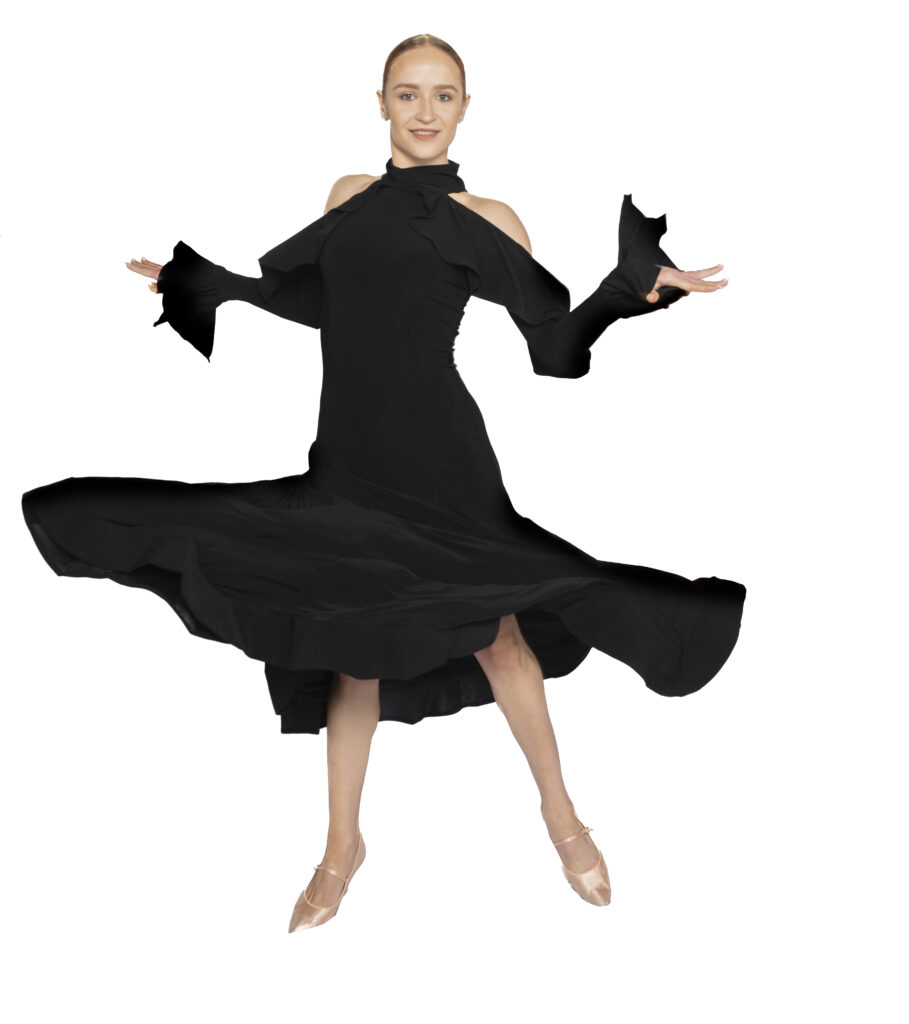
This guide will walk you through exactly what to wear to your first ballroom dancing class — and why the right choices can make learning easier, safer, and more enjoyable from day one.
Why What You Wear Matters in Ballroom Dancing
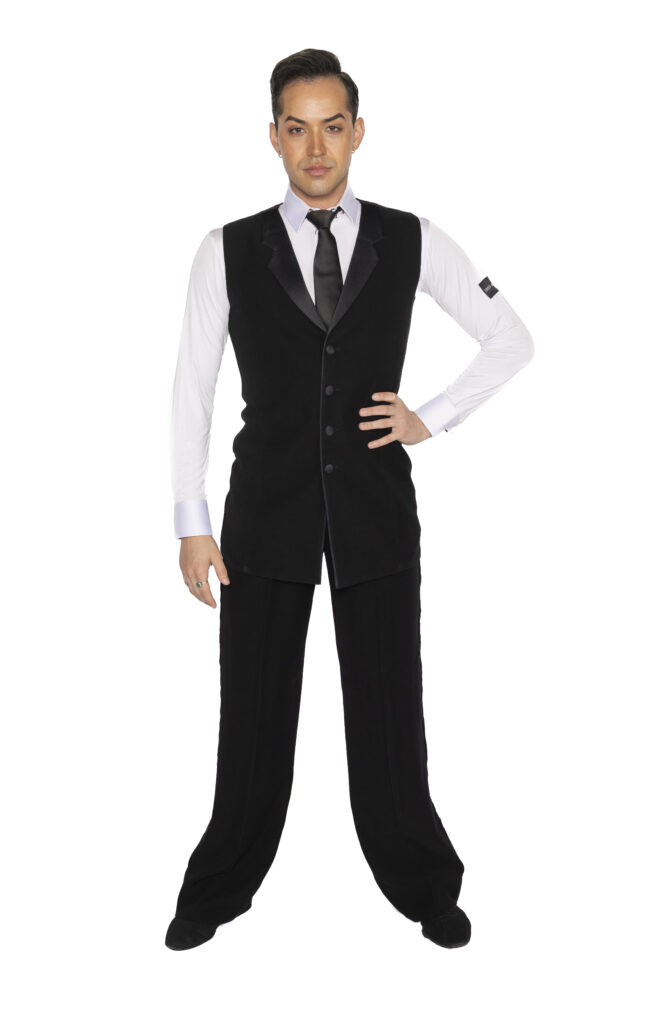
Ballroom dancing is built on balance, coordination, and connection. Unlike many solo activities, ballroom dancing requires you to move in harmony with a partner while maintaining proper posture and precise footwork.
Clothing and footwear that restrict movement, slip too much, or provide poor support can make learning more difficult than it needs to be. On the other hand, the right outfit allows you to focus on technique, rhythm, and enjoyment — not discomfort.
Clothing Basics: Comfort, Fit, and Freedom of Movement
Tops for Ballroom Dancing
Choose tops that allow your arms and shoulders to move freely while still showing your posture.
Good options include:
- Fitted T-shirts or athletic tops
- Lightweight blouses or dance tops
- Stretchy materials that move with your body
Avoid overly baggy tops, as they can hide posture and arm position — two key elements in ballroom dancing. For children, stretchy tops that stay in place during movement are ideal.
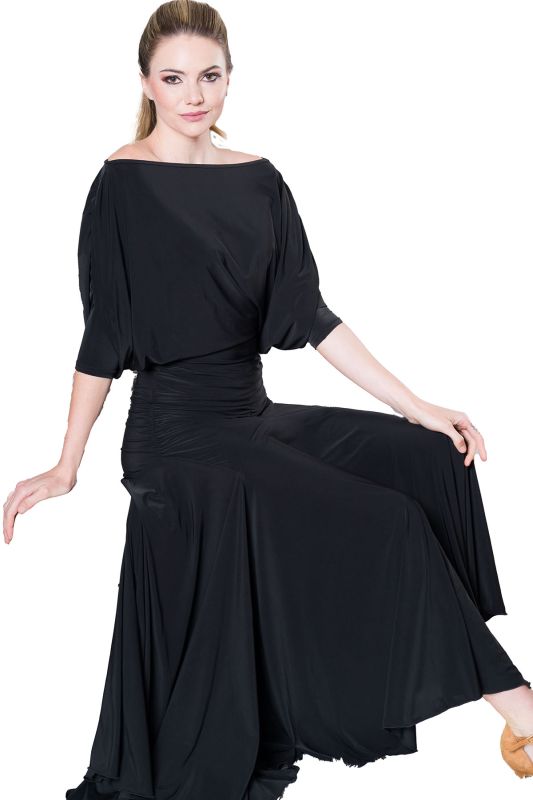
Bottoms That Support Movement
Ballroom dancing involves stepping forward, backward, sideways, and rotating — so flexibility is essential.
Recommended choices:
- Dance pants or slacks with stretch
- Leggings or athletic pants
- Knee-length or longer skirts that flow without tangling
Avoid jeans, stiff fabrics, or overly tight clothing that restricts hip movement. Comfort and mobility are far more important than style at this stage.
Footwear: The Most Important Choice You’ll Make
If there’s one area where beginners should pay close attention, it’s footwear. Shoes can dramatically affect how you move, turn, and balance during ballroom dancing.
Shoes to Avoid
Many first-time dancers make the mistake of wearing everyday shoes, such as:
- Sneakers or running shoes
- Rubber-soled athletic shoes
- Boots or heavy footwear
These shoes grip the floor too much, making turns difficult and placing unnecessary stress on knees and ankles.
Why Ballroom Dancing Shoes Make a Difference
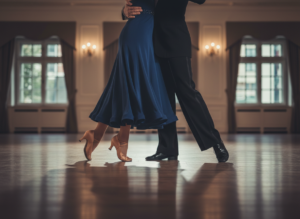
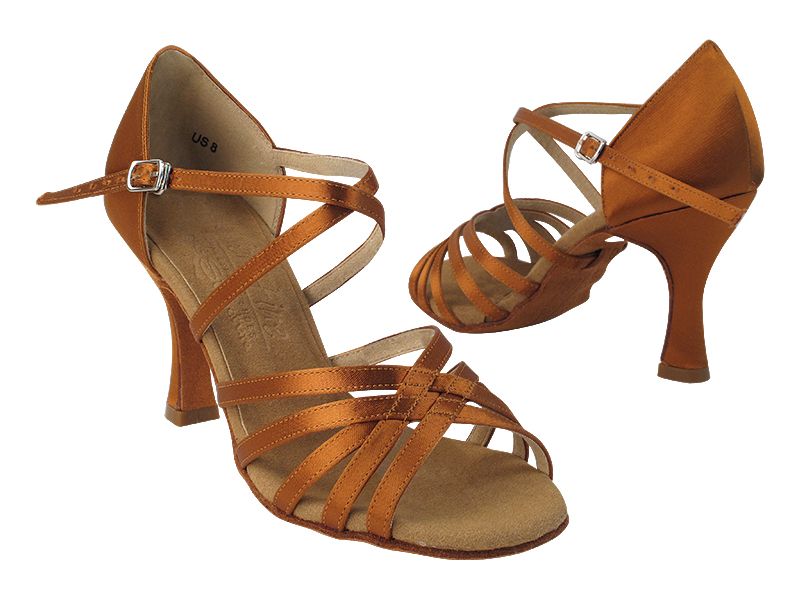
Ballroom dancing shoes are designed specifically to support the movements used in dance.
They feature:
- Suede or leather soles that allow smooth turning
- Lightweight construction for agility
- Flexible materials that move with the foot
- Proper support for posture and weight transfer
Many beginners are surprised by how quickly their balance and confidence improve once they switch to proper ballroom dancing shoes.
What If You Don’t Have Dance Shoes Yet?
If you’re attending your very first class and don’t yet own ballroom dancing shoes, look for:
- Low-profile shoes
- Smooth soles (not rubber)
- Secure fit that won’t slip off
These can work temporarily, but most dancers find that investing in real ballroom shoes early on makes learning easier and more enjoyable.
Socks or Bare Feet?
Socks might seem like an easy solution, but they often slip unpredictably and provide no support. Bare feet are generally discouraged in partner dance classes for safety and hygiene reasons.
Ballroom dancing shoes strike the perfect balance between grip, glide, and protection.
What to Wear for Kids’ Ballroom Dancing Classes
For children, proper attire and footwear are especially important. Ballroom dancing helps kids develop posture, coordination, musicality, and confidence — but only if they can move safely and comfortably.
Kids’ ballroom dancing shoes are designed with:
- Secure straps or laces
- Supportive yet flexible soles
- Lightweight materials for easy movement
Starting with appropriate shoes helps children build correct technique from the beginning and prevents bad habits later on.
Hair, Accessories, and Final Details
Keep things simple and practical:
- Hair should be pulled back and secure
- Avoid dangling jewelry or accessories
- Choose breathable fabrics to stay comfortable
The goal is to eliminate distractions so you can focus fully on learning ballroom dancing.
You Don’t Need to Look Perfect — Just Prepared
Many beginners worry about standing out or “not looking like a dancer.” The truth is that everyone in the room was once new to ballroom dancing.
Instructors care far more about your willingness to learn than what you’re wearing. Clean, comfortable clothing and the right shoes will help you feel confident and capable — which goes a long way on the dance floor.
Start Strong with the Right Ballroom Dancing Shoes
The easiest way to improve your ballroom dancing experience — even before your first lesson — is to wear footwear made specifically for dance. Proper ballroom dancing shoes help you turn more easily, maintain balance, and move with confidence from the very first step.
If you’re preparing for your first class, or shopping for a child who’s just getting started, we invite you to explore our selection of ballroom dancing shoes and apparel designed for beginners and growing dancers alike.
Choosing the right gear isn’t about looking fancy — it’s about setting yourself up for success and enjoying every moment on the dance floor.